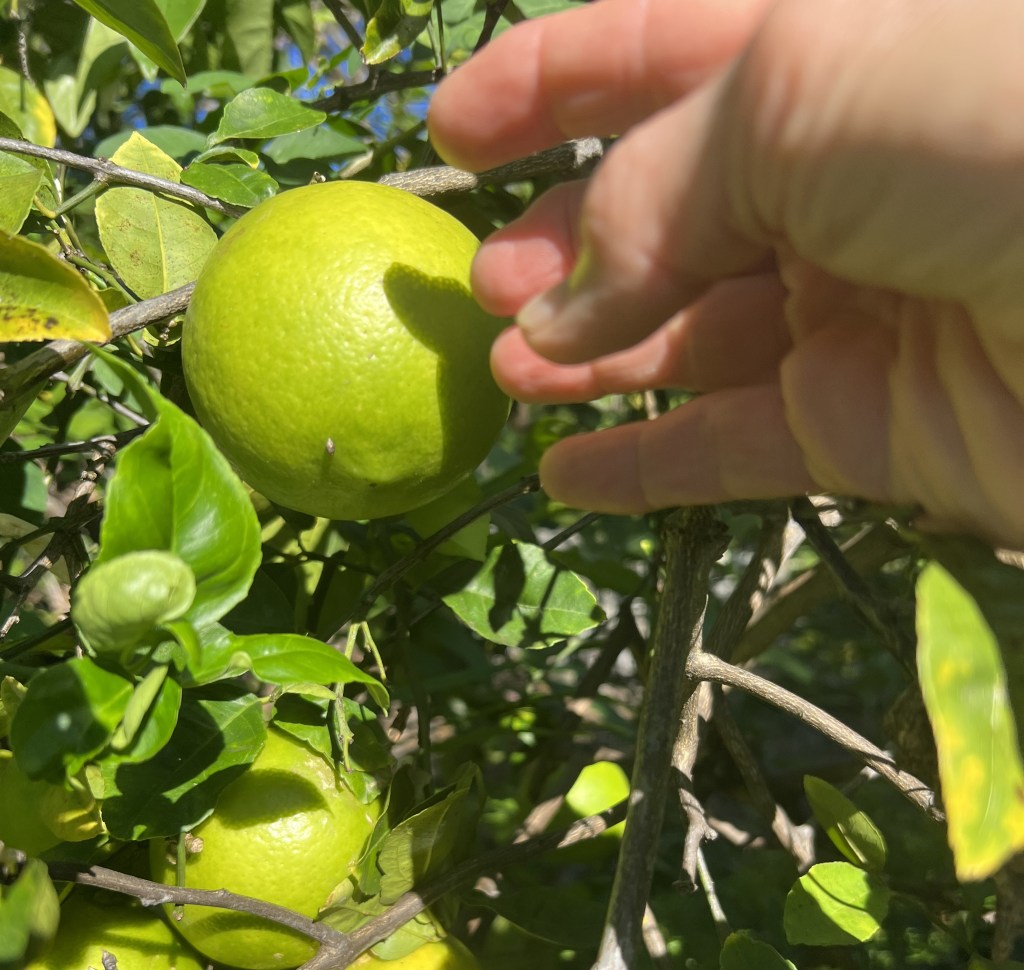
To Those Who Leave For Hawaii

It is the nature of beets and blueberries to leave behind
indelible evidence of their intensity.
Think of this as an endowment of indigo.

It is the nature of beasts and brutish beings to leave behind
broken bones and babies. Don’t think of this at all.

If people tell you to avoid wearing yellow,
remind them of dandelions, lemons, and the brilliant sun.
Wear whatever you want.

It is the nature of evil to imprison the fallen
so all can be hidden and forgotten. Remember what you can.

When you realize the harsh climate is too much to bear
and you can’t stand the lay of the land even in April,
cut yourself free and leave for the islands.

When you arrive, stay grounded long enough
to find a source of sustenance, and then flare and fade

like the green flash of refracted light
that divides young from old. Day from night.
Think of this as permission to care for your skin.

Where to begin? You’ve come to an end
in most of the ways that matter.

Even before you flew, somehow, you knew
the aloha of the islands would welcome you home
regardless of your failed intentions.

Regardless of what you planted or sowed.
Regardless of yellow or indigo.

Regardless.


* * * * * * * * * * * * *

Epilogue: Where do poems come from? Monday night, my dear friend Joyce died gently. Sometime Tuesday morning, her essence floated by to sing her goofy good-bye song. Then I think she may have arranged my next adventure—the reclamation of a trailer abandoned by a fugitive. It had that mystical aura. I pulled it home and opened the door. The interior was bursting with dashed hopes and eerie reflections of my various selves. The sadness settled as I washed blankets, sorted clothes, and pried a petrified waffle from the waffle iron stashed in the microwave. I yanked up the carpet beneath my feet. The rebuilding has begun. When it’s finished, it will shelter generations of newly hatched chicks. That was not the original plan but often, clinging to the original plan will get you nowhere.

* * * * * * * * * * * *

For more uplifting, cheery poems and conversations just like this one, you can order our book from the YOU KNOW WHO (AMZN), and for a mere $13.99 you can torment your soul every day. xoxoxo

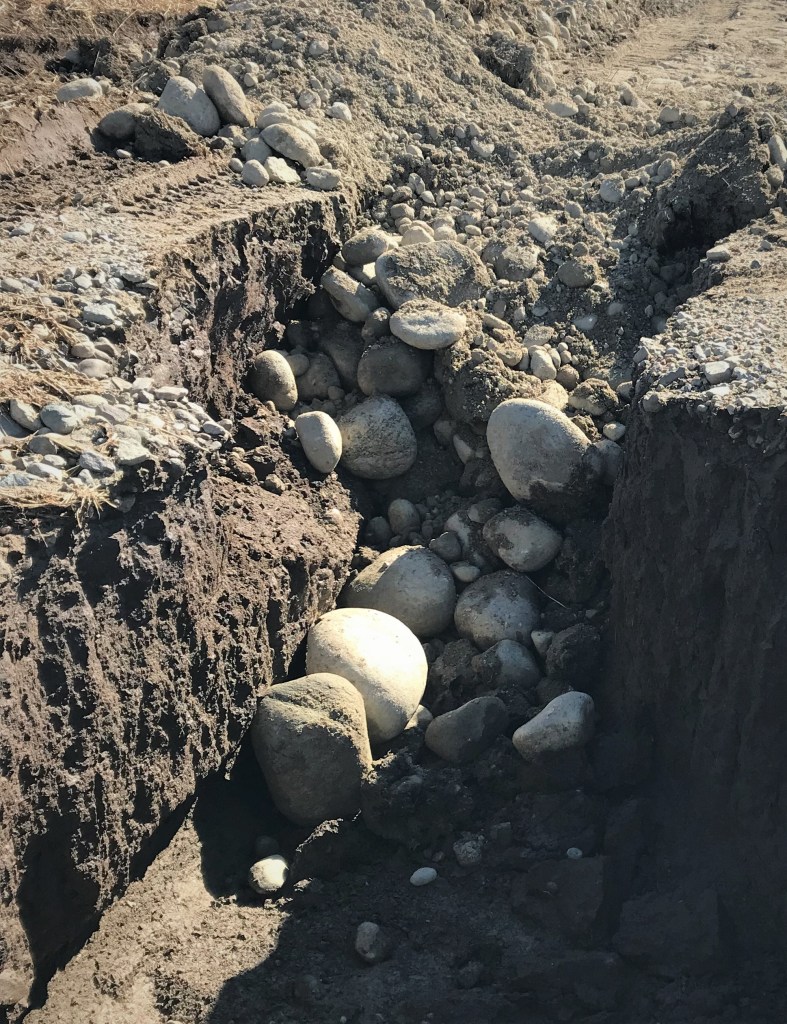
Revenge is an Autoimmune Disorder

Lately I’ve been creating words with great deliberation because I’ve voluntarily immobilized some of my fingers with a splint to reduce the pain of a swollen joint. And I am unreasonably enraged. Every keystroke counts. Every option must be carefully considered. That’s how old this has all become: God and I exist almost beyond recognition, agitated by self-imposed limits and unrealistic longings as arbitrary and simplistic as the arrival of spring.

“Dear God,” I say, in a voice laced with ice. “Is there anything that would be enough?”

“No,” God answers, unapologetic. ”It’s more about hunger. Less about satiation.”

“But isn’t there a way to set the table so people get their just deserts?” I think my play on words is pretty funny.

“Depends on the menu,” God says, going with the analogy but staying on the serious side.

“Revenge,” I say, unwisely honest. “Revenge is on my menu today. Injury. Insult. Revenge.”

“Oh,” God says. “So that’s what you’re shopping for. Those aren’t commodities I distribute directly. But I can make some recommendations.”

“No thanks,” I say. “I’ve got reliable dealers.”

“I’m sure you do,” God says. “But time is short. Sleep in white sheets and don’t decorate to deceive.”

I consider this bizarre advice. The wounds I wish to inflict have surfaced in my joints and sinews. They limit my range of motion; they dwarf my imagination.

“God,” I say. “Doesn’t everyone decorate to deceive? And why worry about sheets?”

Sometimes, God explains. Sometimes God does not. As we sit quietly, it seems likely this is one of those times I’ll be stuck trying to explain things to myself. But after a moment, God adds, “Revenge is an autoimmune disorder.” He removes the splint, takes my hands, anoints them with coconut oil, kisses each swollen knuckle, and turns my palms up. I see down through the calloused layers of my life.

“If you sleep nude on white sheets, the colors of your dead skin leave distinct markings. Like a map—a recognition. A way forward.” God says. “It is good to shed dead skin. Good to leave evidence of your slow, distinct transformations.”

“But sometimes, I don’t want to transform, God. I want to get my offenders by the neck and do some transforming of my own.”

“Me, too,” God says. But he continues to hold my hands. Slowly, I move God’s hands up to my neck, cover God’s hands with mine, and wait. There is a pulsating warmth but no pressure. Then God gently slides his hands free and puts them around his own neck which has become a Giant Sequoia.

“I can’t reach,” I say.

“I know,” God says. “And I’m O.K. with that.”