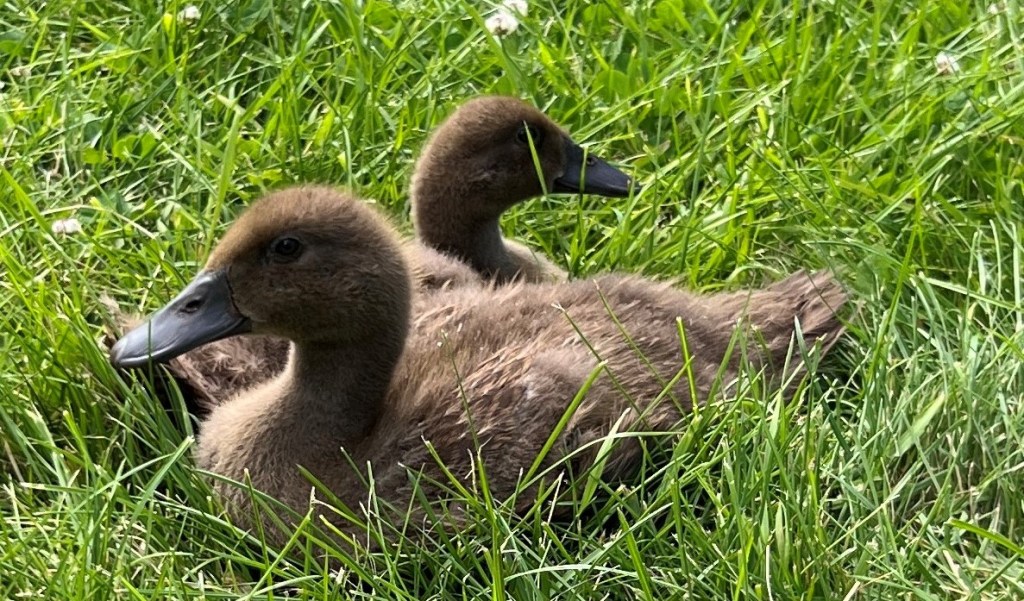
The ducklings escaped. We were gone and it was raining. Most likely, they waddled to the river and floated downstream. They may not have taken their size into account. They were too small to buck the current and make their way back to their shelter and the humans who dug them tasty worms. With their underdeveloped wings, flying home would not be an option. They launched into the wild unknown, and they will not be returning.
Hermann Hesse wrote, “The bird fights its way out of the egg. The egg is the world. Who would be born must first destroy a world. The bird flies to God.” Hesse went on to name God Abraxas. God is always named or unnamed according to our needs and agendas. For my purposes today, I’ll call them Water.
Here’s why: Without water, we would not exist. But I don’t worship water. It neither wants nor appreciates worship. When you’re that powerful, you can afford to be humble. Perhaps you don’t even mind being polluted. Hidden. Transformed. Evaporated. To you, the flow of suffering is all in a day’s work.
If you are God, you just are.
Death has meaning only for mortals. We cling to our shells and boundaries even as they thin and weaken. It’s unlikely that anyone enjoys being pushed out of the womb, and when the time comes, the work of breaking the shell from within appears to be exhausting and perilous. But inevitable.
So, sure. Run to the river, you traitorous ducks. Your easy food will go to the chickens. I’ll siphon the poopy water out of your plastic pool, and your nice straw bedding will become mulch. I don’t mind transitions. Or aging. Or abandonment. Not at all. Run, ducks, run.
God is chuckling from the corner. “Yes, indeed! Denial is always an option. Consciousness is as hard to handle as birthing.”
“I have no idea what you’re talking about,” I say, even as I move closer to the banks of the river. The current is swift. Water bursts into vapor as it hits stone, and the ancestors shimmer in the misty veil.
My mind is a whirlpool of images. Ice cracks across the lakes of winter, and steam rises from the center of the fractures in Yellowstone Park. Earthquakes are an ever-present danger. The risk of liquefaction looms on the crest of the clay-footed hills. Our bodies are more than half water, and the rain has begun to fall again. I am too weak to swim upstream.
“Just get in the boat.” God cuts the engine and pats the cushioned seat nearby. “You make us very tired some days.”
 Short visits with an honest God