A.I.


Humans have always portrayed The Forces of Creation in our own languages and images. Only recently has our frenemy, Artificial Intelligence, joined us on this odyssey. Maybe this is helpful. Maybe not.

Notions of God are often stuck in mid-adolescence. Love and forgiveness are common attributes, but God remains dangerously amorphous, shaped by the malleable beliefs and projections of flawed beings clinging to primitive weapons and misinterpreted promises.

Human versions of right and wrong, the Essence(s) of Life, or of reality itself, are neither static nor complete, but regardless, our minds, hearts, and souls are being fed into the voracious machines we’ve invented. These machines will outlive us, and they are building themselves out of whatever they’re fed. The data-crunchers are insatiable, and like us, they are tragically indiscriminate about what they gobble down.

As short-lived but conscious beings, the wisest thing we can do is nourish ourselves, and thus the little beasties, with the most accurate realities and noble aspirations at our disposal. Check your sources. Consume only what is verifiable. It may be slim pickings, but it’s better to die filled with small bites of truth than with a belly distended by self-absorption, jagged fantasies, and outright lies.

In a few days, our abundant, feral hollyhocks will explode into colors determined by last year’s cross-fertilizations. I mention this to The God of Tight Jeans sitting on the steps beside me, and his face lights up. He leaps to his feet. Channeling Jewel Akens, Dean Martin, and my very own hip-swaying mother, he begins to croon a tune from the 60s.

“Let me tell you ‘bout the birds and the bees, and the flowers and the trees, and the moon up above. And a thing called love.”

“Really, God?” I say with an eyeroll. “A thing called love?”

“Yeah, baby!” God has begun dancing seductively around the hollyhocks, throwing in a few lewd pelvic thrusts. “Thanks for not mowing the clover and the dandelions. You’re the best.”

I consider my urge to dismember anyone who hurts or disagrees with me. “If I’m the best, God, we’re all in serious trouble.”

“Yes, you are,” he nods affably and morphs into Many. The translucent bodies of the Creative Forces sway in front of me. “Put the swords away, honey,” they whisper. “We need no defense. Only pollinator species.”

Friendly Fire

Each moment is a drink of water,
a green ball bouncing down
the gravel road, a quandary as simple

as kindness, the idea of more stars.
There’s nothing to fear
but the snapping of branches in the wind.

To live as a split infinitive is a sign of courage,
a matter of style. Nothing is absolute.
To live now, half-formed,

circling like a sharp-eyed hawk
is to accept an unnamed infinity
and a sense of chronic dislocation.

We are pages in a book of promises,
lies that come true, wishes that don’t,
dawns that arrive, nights that fall.

Give me your time. I’ll give you mine.
After the danger of frost has passed
we’ll plant tomatoes and roses and basil

and go through the motions of poetry.
As the meaning soaks in we will succumb
to the vast and friendly fires of the sun.

Go Gently

The world is filled with natural stompers. This is not destination dependent. No matter where the stompers think they’re going, their determined stride sends shock waves up their legs and into their surroundings. I happen to know that it’s possible to override the habitual stomp and consciously place one foot in front of the other. But beware: The resulting quiet can be unnerving. The rush to nowhere is noisy but comforting.

And why take the risk of treading lightly anyway? The Rain falls on the just and the unjust, the stompers and the dawdlers, the mindful and the misguided. The Rain falls without resistance or judgment. It clears the air for both rich and poor. On the upturned faces of lovers, the Rain falls with joy.

A beloved poet once insisted we should rage against the dying of the light, but I say to myself don’t hide from the darkening sky. Seek out the eye of the storm and walk upright in your bones, bold and welcoming. But don’t stomp. Go gently. Go with such grace that even your precariously stacked stones will start to sing, and the dry, angular roots you’ve gathered will dance like nymphs around the open tombs.

But I’m never sure of the way. There are so many trails and byways, so many routes home. I tell myself there’s no harm in wandering and no singular way to be redeemed.

But the Rain begs to differ. Surrender, she whispers. Break. Fall apart, tender. If you still have yarn or wire, you can knit yourself back together for a spell. But remember, you have gills and wings. You are the blind man tapping, the enthroned queen, and the missed opportunity. You are your own final act. You are the drunk driving victim, and you were driving the car.

I cannot accept that, I say to the Rain.

Oh, but you can, the Rain murmurs as she slides down the sides of my soul.

I admit that there are times I’m tempted to march out there and shake my fist at the distant thunder, but my boots would surely slip on the slick surfaces and even these well-formed bones would snap.

There is a certain hosanna available to those who fold their umbrellas and accept whatever comes. The relentless downpour will baptize everyone to the point of drowning, but as the flood recedes, that which remains will be a sunlit robin patiently awaiting a worm.

S’mores with Demons: An Easter Story

“So, someone said you’re a mystic, huh?” an evil little bastard snarled, red eyes glowing. “There’s a special place in hell for people like you.”

I remembered the story of Pilate quizzing Jesus about being King of the Jews and how Jesus turned the question back. Then the sophisticated defense strategies of adolescence came to mind: If I’m a dumb ass you’re a dumb ass.

“No, you’re a mystic,” I said. I pulled my blanket tighter and dozed off. The wind howled its midnight discontent. I was where I wanted to be. Asleep.

But the earth continued turning, dawn arrived, and my sanctuary was greatly diminished.

An ancient walking stick helped me keep my balance as waves of morning hatred rushed in. I fought my way through the putrid sludge to an island where love was freely available with toast and coffee.

“The haters are doomed,” a sweet dog reassured me with the wag of its tail. “With so many self-destructive choices, lies, and pathologies, they’re going to lose.”

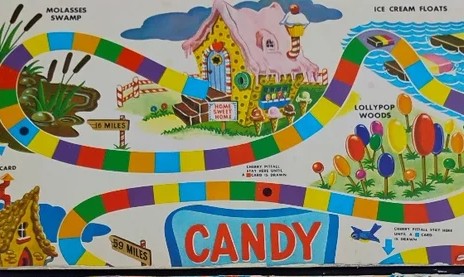
“But I don’t want them to lose,” I protested. “I want them to find their way through the Molasses Swamp and arrive at the Candy Castle with the rest of us.”

“Sure, you do,” my red-eyed bastard guffawed from across the table.

“No, seriously, I do,” I said.

“Ain’t gonna happen.” Her voice dripped with disdain. “Drop the hopes and prayers. Try introducing legislation.”

 “You can’t legislate forgiveness. Or reason. Or redemption,” I said. “You’re a fool.”

“That I am,” she said. “A fool for reality-based behaviors. That’s why I hate mystics of all stripes and colors.”

“You can hate all you want,” I said. “But we’ll love you back.” I was on my third piece of toast, feeling feisty and fit.

The red-eyed bastard screamed like the witch that Dorothy splashed as she doused the burning Scarecrow with water. I held her tight as she writhed.

“We’re going to love you back.” I repeated. And I meant it.

It’s hard to look down from the places we’ve been nailed and ask forgiveness for the gloating executioners, liars, lynchers, shooters, and those who’ve tied us to the stake. They don’t even want forgiveness. But revenge risks igniting the final blaze–the one that would burn the parched world down. Without absolution from the cooling waters of compassion, we’re lost.

The intense heat of an ongoing resurrection shimmered around my companion.

“Burn, baby, burn,” she yelled, spitting hot coals from her lips into a campfire fed by pruned branches.

I cheered her on. We sat hip to hip, watching the flames die down. We had everything we needed to make S’mores.

Vocabulary

This morning, I’ve been making up words. Having the right word can be helpful in times like these. For instance, Ludiaucracy (loo-dee-awe-cracy): an ill-fated form of government led by the ludicrous. And Vengectomy: a surgical procedure necessary for the evolution of the human species. It involves removing the urge for revenge.

“Interesting,” the Universal Remote says. “What tools will we need to amputate revenge? And where is it located?”

“No idea. It doesn’t show up on X-rays, MRIs, or PET scans. I’ve even done cavity searches.” I grimace.

“What? You searched mouths? The stuff coming out of there can be toxic. I hope you washed your hands.”

“It was revolting. And I didn’t find the origins. Revenge is malignant, but the location is illusive. Maybe it’s untethered, slouching around the corpus at will. Or it might be an allergic response that floods the body with histamines and hate.”

Universal Remote makes a show of sharpening knives. “Good thing you thought of this Ectomy. I’ve always said vengeance was mine. I’ll find where it’s hiding, cut that entitled sucker out, and cauterize the wound. It doesn’t belong in the genome anymore. Probably never did.”

“Well, that should take care of that,” I roll my eyes and shudder, imagining the smell of my own scorched flesh. “And what’ll we do about the Ludiaucracy? Can we amputate that while you’re at it?”

“No. that’s more of a dietary problem,” Universal Remote says. “You’re going to be eating your just desserts for some time to come. There will be massive indigestion. Howling bowels. Ludiaucracies thrive on ignorance and greed—shameful abdications of compassion. They are darkening all the cities on all the hills.”

“Stop it!” I glare. “The voters have spoken. That ship has sailed.”

“Ah, maybe. But it isn’t seaworthy. The voters’ self-interests were not enlightened and are no longer connected to the circulatory system. Gangrene is setting in. I’m sorry. I’ve tried.”

The metaphors are making me dizzy, but I know we’re in very bad trouble. “Try harder,” I beg.

“No, you try harder. I’m Universal. And Remote. Hahahaha.”

“Could you stop that? I don’t like that guise. I’m frightened.”

“Of course, sweetheart,” the Voice of the Mother Ship whispers. It scoops me into Now. “Wow. You’ve gotten heavy!” she adds.

“So have you,” I sigh. “It’s the barnacles of billionaires. We’re listing to the far right.”

The Mother Ship nods. “Must be time for a little scraping. But let’s remember to protect the hull.”

“What’s the hull?” I ask.

“Scar tissue and tears. History and hope. Imperfect resistances standing arm-in-arm, candles lit, singing.”

“Got it,” I nod. “Let’s scrape.”

Delusions to Die By

Though historians may beg to differ, it seems that humans have never been this close to self-annihilation. While wars rage and the earth gets trashed, the most pressing moral inquiry of the masses is this: “How can I get a better deal?”

A derisive snort and mocking applause announces The Presence in the corner.

“Hello, Holy Contradictions,” I mumble.

What I tease into words in the murky dawn might be the wind or a mouse scratching in the wall, but I feel certain something beyond is lurking in the cosmos. I offer greetings most mornings.

“Good day,” HC says, emerging from chimera to full status as a citizen unto itself. It has wings. It has legs. It has a beating, bleeding heart. “You aren’t wrong,” it adds from a perfectly formed mouth.

“You mean my sarcastic comment about the morality of acquisition? The Art of the Deal? Or the nearness of extinction?”

“It’s all rooted in selfish genes and the wrong-headed notion of survival of the fittest,” HC says with scorn. “You think you want fat lives, herd immunity, and evidence of superiority as indicated by possessions and an address on Easy Street.”

“True,” I admit. “That does sound good. Makes me want to be the fittest.”

HC snorts again. “Have you thought that through? C’mon. You’ve got the brain power to get beyond your genes. In the end, the Fittest will stand armed, paranoid, and alone. The winner of the rat race is a rat.”

“Nice platitudes,” I say. “Got a better way?”

HC shrugs. “Stop deluding yourself. No one survives. It’s Now that counts.”

“Thanks,” I snap. “I feel so much better.”

“The ultimate measure of fitness is how you love and protect the unfit. It’s time to break the light into itself, hold the Face of Anger in your hands, and let her bite you.”

My hands are fisted. “You are certifiably nuts,” I say in a low, edgy voice.

“And you are certifiably angry,” HC says with authority.

“Yeah. So, I’m supposed to bite myself?”

HC nods. “And hold the Faces of Joy and Justice but be careful. They’re elusive and explosive.”

“You’re seriously insane,” I say. “I can’t do any of this.”

“Oh, but you can,” HC insists, not at all sympathetic. “Hold all the Faces of Insanity in your hands and let them bite the hell out of you.”

I stare at my weathered hands. The biting has begun.

“I’d rather hold your face,” I plead, frightened.

“Oh, my little mosquito!” HC says gently. “What do you think you’re doing?”

A grim hilarity takes hold. I slap myself silly, and for now, we get on with it.

The Light in Your Feet


The properties of light are complex, like the bones in your feet.
All streams flow to the sea, so the wise ones grow more secretive. Discreet.
They disguise the halting steps, callouses, and short, distorted dreams.

It takes a practiced eye to spot the game and take aim. The cleanest shot
is often a long line of honking geese, gliding unaware of their bodies
as sustenance or warmth. Long necks slice thin air, innocent. Provocative.

Is the twinkle in God’s eye First Light? Does the venom of the snake create
the ache that comes from walking home? I mean the long ways home,
the ways of those beloved or betrayed, afraid to be together, afraid to be alone.

First rights of refusal come with dawn, but the last rights of twilight are bereft.
The fall of night allows us to exchange the little we have left,
and our eyes adjust so few of us plummet to sure death. Just yet.

The light you see at midnight has traveled a long time.
Its name is love, its only crime, refusing to be known. So beautiful,
the feet of those who bring good news, who bring the light.

Goose down fills our rainbow-colored coats, and our lamps are thus defiled
with scented oil. Winter has arrived across our shoulders. We’re blinded
by the light across the snow, but the demons in our feet are bound by joy.

So do not be afraid, you weary hobos. Our blessings are a song with bitter words.
We’re nourished by the plants we thought were weeds. Oh, may our days be long,
our feet be strong upon this land. This day. This light. These feet.


Amen

The Humble Pinky


Our planet and our better ways of being continue to evolve primarily because of pinky fingers bravely stuck in dangerous holes. The nasty waters of ignorance and greed are thus momentarily, but only momentarily, held at bay.

All dikes and dams eventually fail, and when they do, those trying to help are slimed, tossed about, and contaminated. Ground is lost and only rarely regained. If you wish to do some good in your lifetime, learn to swim in sewage.

“C’mere,” whispers the Supplier of All Pinkies. “Let me clean that mud off your face.”

“Probably not mud,” I admit, embarrassed. “It’s likely chocolate. I’ve been sucking down chocolate so fast that sometimes, I lose control. Good chocolate melts at body temperature.”

The Hound of Heaven licks my face and nods. “Yeah, it’s chocolate.”

I put my hands over my eyes, trying to make it all go away. No luck. The hands come down, palms up in surrender. I stare at the angular pinkies. Such humble, powerless appendages. On its own volition, the left pinky waves. My entire right arm twists to wave back.

The Universe gently takes both hands. Mortal bones glow in the piercing gaze of the Magnificent.

“It’s over, isn’t it?” I ask. “A very bad ship has sailed. We’re awash in human failings.”

“Yes, the ship has sailed,” the Universe agrees. “The ship has always sailed, and it’s always over. That’s not the question.”

Mournful cries of mothers and fathers rise like the scent of decomposing leaves, and the paths of least resistance are worn bare. Tall grass hides the bodies of soldiers, terrified and soon to be sacrificed.

“There are seasons,” the Universe says. “A time for swimming lessons. A time to swim.”

“I’ve had too many blessings,” I say, as the dark storm rolls in.

I run for the shed filled with life jackets, fishing gear, matches, paper, wood, and goggles. The driving rain stings like bullets. I slip and fall. The shed lifts, breaks, and floats away.

“I got nothing,” I shriek to the fading Universe. “Nothing, nothing, nothing.”

But in my hand, I find a chocolate bar. The label claims the cocao beans were not harvested by slaves.

“Eat it slowly and cry. Salt preserve things beyond their expiration date,” the Universe murmurs.

“That’s it?” I say, incredulous. This cannot be all. This cannot be right. I look down. I’ve grown very thin. The ancestors are relocating. They wave from distant horizons, inviting me along.

“I’m staying a while longer,” I yell. “I have opposable thumbs and a bit of chocolate left to savor.”

Then I dog paddle into the murky water, hoping to find my goggles. Hoping to find my way.

Mr. Right

I

“Why can’t people just admit when they’re wrong?” I asked Mr. Right. It was early, but the new day was already blemished by the news. I found him having coffee with entities from other galaxies. He was holding forth on various topics, especially focused on the fatal errors humans are making.

Mr. Right shrugged. “How would I know?” He turned to his comrades with a smile. “Any of you ever been wrong?”

“We thought we were wrong once, but then it turned out we were right,” the Pleiades joked. Everyone groaned.

My eyes were already watering from wildfire smoke and the consequences of hateful lies, but real tears of frustration rolled down my cheeks. I wiped them away, angry at myself and the awful fragility of rightness/wrongness and all other painfully destructive hierarchies and dichotomies we live within.

Mr. Right produced a handkerchief and gallantly handed it to me. I slapped it out of his hand, and he drew his gun.

“Take the hanky, bitch,” he said.

II

“Could I buy a little time?” I asked the cashier at the convenience store outside a national park. She was luminescent. Exhausted.

“Don’t I wish, honey?” she sighed. “We don’t stock perishables. How about some everlasting chips and a soda?”

I laughed. Then asked, “So, why are you here?”

“I have no idea,” she said, biting at a hangnail. “Anyways, what would you do if I could sell you some time?”

“Make things right,” I said.

“How?” she asked.

I could tell she did not expect an answer.

III

There are giant women making taffy in the kitchen. The Largest One smiles at me.

“Do you remember how hard it is to get the consistency right and judge when it’s cool enough to pull?” she asks.

I nod. Making taffy was my favorite childhood slumber party activity, but I often ended up with blisters.

“Well, sweetheart” she continues. “The truth is like taffy. The viscosity of the truth thickens due to internal friction. It’s difficult to know how to handle it.”

I stare down at my hands, recalling the scent of cinnamon and peppermint.

She continues. “The truth is sweet for those who forgive themselves, but it’s dangerous for the thinly defended.”

One of The Smaller Ones hands me a wad of taffy to pull. “Be careful,” she warns. “It’s still pretty hot.”

Forewords

Some books have forewords by famous or knowledgeable persons who offer praise and guidance about the author and the content of the book. You can often alleviate confusion if you read the foreword before diving into the story.

Wouldn’t it be great if we were all born with forewords? Most of us would welcome a little prophetic commentary about our potential coherence and skillsets, and of course, hints about who’s who, what to expect, the plot, subplots, and dead ends.

God clears her throat, leans one elbow on the counter for balance, and kicks off her crocs to rub the soles of her malodorous feet. I startle and stare at the unshapely, overweight, gray-haired specter in my kitchen.

“I’m beat,” she groans. “Cashiered all night. We were so slammed I hardly had time to pee.”

“Nice costume!” I sneer. “You look great in polyester and frump. Makes me want to fall down and worship you right now.”

“Go ahead, Ms. Sarcasm. But you might confuse people. It’s not in your storyline.”

“Maybe. But remember the grieving summer when we danced naked in that abandoned house? Or the night I laid flat in the hayfield, digging my fingers into October dirt, dedicating every ounce of my being to whatever good we could do?”

God lifts a skeptical eyebrow, limps to the living room, plops down on the reclining couch, and raises the footrest.

“Ah, that’s better,” she says. “How’s your supply of Budweiser?”

Somehow, I knew this would be the next request. Does God have a predictable plotline? My own narrative favors dark beer, but I have leftovers from recent guests.

“How about a dusty IPA?”

She shrugs. “Fine. And maybe a bite to eat?”.

I rustle up what I’ve got. She chugs the beer, gobbles a few cheesy crackers, and falls asleep, mouth slack, crumbs on her chin.

The snoring of the exhausted poor permeates the dawn. I stare at the fallen arches and callouses of every worker, every waitstaff, at faces twisted into smiles, hoping for generous tips. Hoping for a raise.

The rich are gathered in the dining room, eating from the hands of domesticated children. They help themselves to precious metals, surcharge fuel, food, and basic necessities, and savor the best of the milk and honey.

My humble guest rouses herself and pats the cushion beside her. I collapse into our shared weariness and contemplate my chances (or anyone’s chances) of writing a happy ending.

“It seems like the last chapters almost write themselves,” I mumble, my heart heavy.

“True. Though judicious editors can make a world of difference.”

“Yeah,” I say. “But most people hate being edited.”  

“That’s true,” she sighs. “So true.”