Neuropathy

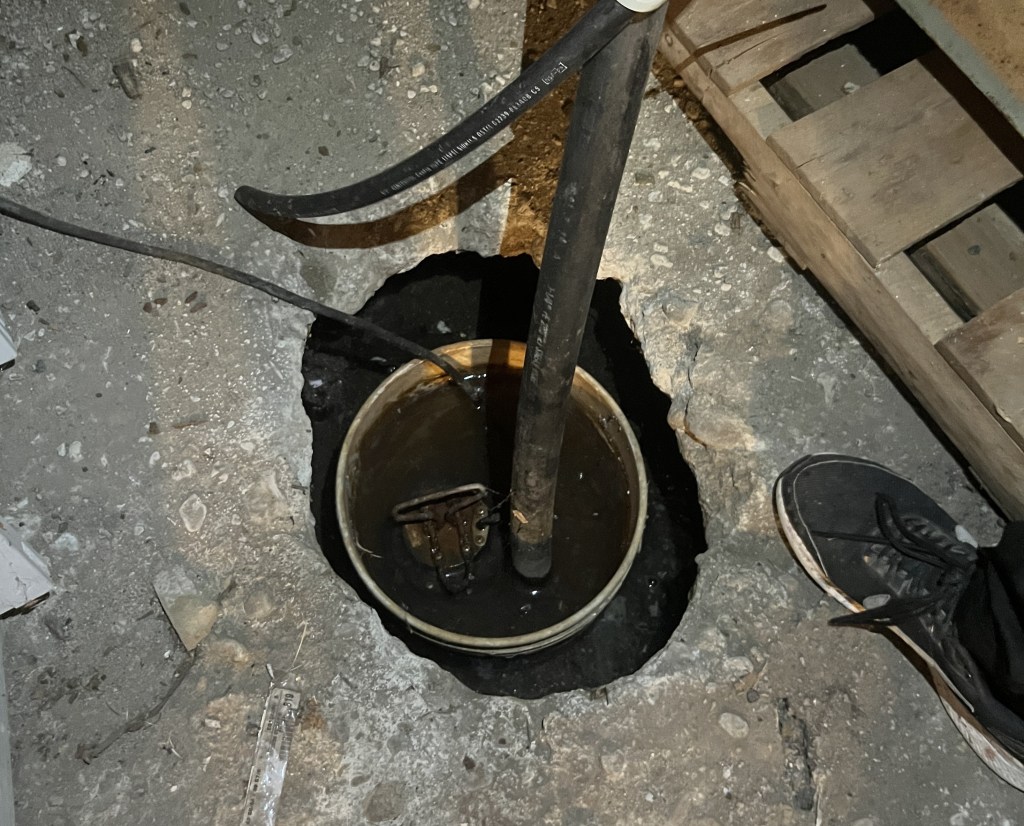
Photo copied from random internet search

The cold hands of March are not easily forced into the welcoming shape of April. March is in denial about her advancing neuropathy, made worse by the chemicals of decay around her. She pretends to be warm and comfortable, but she’s not.

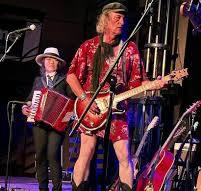
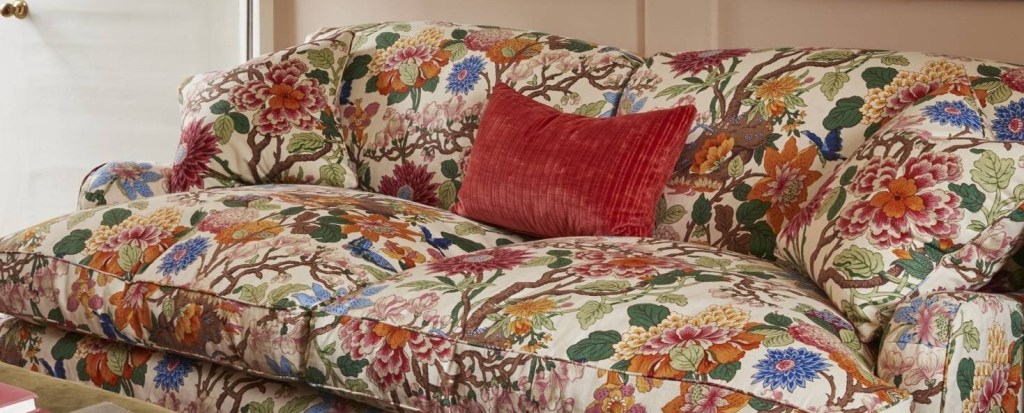
With a pointed glance, the God of the Floral Sofa tries to shame me for dust, crumbs, and smears of yogurt. “No!” I glare and turn up the music. Thanks to a blogger managing Opal’s Farm in Texas, I recently discovered James McMurtry. I don’t love country music, but an old cowboy dressed in drag to protest the absurdities of the small-minded, hard-hearted Neanderthals among us is worth a listen.

The Beloveds on Okinawa gather each year to pray for peace and health. On Easter Sunday in 1945, a battle began there that would end three months later with 200,000 people dead.

“How many enemies? How many friends?” God asks.

“That’s a false distinction,” I snap.

“Yes. But remember, you’re a false distinction,” God laughs. “And so am I.”

I gather my blankets and beer and sink into the Dark Place. False distinctions parade by in cosmic drag: Life/Death. Love/Hate. Evil/Good. Black/White/Red/Yellow. The air is thick with unexpressed longings. I can’t breathe. Hunger smolders from the sunken eyes of nursing mothers. My own well-fed eyes sting like crazy, but I can’t seem to cry.

Without being requested to do so, my phone organizes my photos into artificial themes so banal I am appalled. The shallow joy, the uncritical eye—these uninvited invasions attempt to pacify and define my little life. But I resist. “Isn’t that your job, God?” I sneer. “Define and pacify my little life.”

“Yes. Absolutely,” Floral Sofa nods. “But no.”

I am terrified by the erosion of compassion around me. Neuropathy of the soul, caused by willfully telling or believing lies, is epidemic.

The ship of which I am captain has sailed. I’m floating over a sea of faces that, like the Mona Lisa, have been artistically blurred, thus removing the sharp lines most of us need to recognize ourselves. We are rendered ambivalent. Our feet flop when we walk, and falls are more frequent. “Take heart, Little Life,” Floral Sofa whispers. “It is in the falling that you find salvation.”

“That’s not the way I want to be saved,” I answer angrily.

“Oh, but I think it is,” the Sofa says. “Either way, I’ll be around.”

I sip my beer, pull my blankets tighter, and plan my elaborate but futile escape.
Who’s Vetting This Damned Mess?

Here’s how vetting works: Unbiased authorities carefully examine the basis of claims and issue a verdict of accurate, unlikely, or bullshit to help average citizens determine what to believe. When we decide not to trust credentialed authorities, we are prone to mistake our opinions for facts and our personal beliefs for reality.

But there’s a painful tension between belief and reality. Believing a falsehood doesn’t make it true. Or does it? The placebo effect is powerful. Maybe it’s possible to believe lies into reality.

“Excuse me,” God says.  “Could you give us a minute?”

My ancestors, friends, and readers slip out of the conference room in my head and quietly shut the door. I’m alone with an edgy God.

“Now listen,” God says. “Blind faith is dangerous. Some people think there is such a thing as ‘the word of God.’ Maybe. Maybe not. But I am not the Great Vetter in the Sky. You’ve got to vet things yourselves.  It’s relatively simple…”

I hold up my hand. “Let me stop you right there. Nothing is simple or straightforward about seeking the truth, and you know it.”

“You have education, language, and history,” God says.

I frown. “Yeah, right. And there are people who deliberately teach lies.”

 “But you have scientific methodologies,” God says.

I glare. “And we have science deniers. There are billions who don’t believe in the existence of germs and think carbon dating is from the devil.”

“Well, good grief. You have common sense,” God says.

I shake my head. “Nah. We believe that which is convenient or matches our needs or leanings. Con artists do quite well politically and financially.”

“But you’ve got eyes and ears and beating hearts,” God says in a firm and final voice.

 He packs his briefcase. I stand at attention, eyes wide open, hand over heart while the honor guard of God marches by.

Then I pull my hand down and stare at it. What, exactly, was I saluting? My feet take me to the garden. My eyes behold the dry brown hills and smoke-filled skies. I dig into the honest dirt and listen for the pulse of reality, raw and unhindered.

Bullshit breaks down and fertilizes tender green things. What goes around comes around. It is the earth itself who will do the final vetting.

“Sorry I was so harsh. We are helping where we can,” the Creator whispers from a sad, small space under the chokecherries.

“I know, Precious,” I whisper back to the Bleeding Heart of the Universe. “Of that, I am sure.”

Believing

Humans are natural believers but the things we choose to believe in vary radically: Exercise, Love, Money, Science, B vitamins, Power, God, Not-God, Red Meat, Medicine, Herbs, Famous People, even Wishes made on Falling Stars. The propensity to believe makes us vulnerable to being duped. And often, instead of being open or skeptical, we act as if loyalty to a belief is a virtue. It’s humiliating and painful to be wrong, so we ferociously defend what we believe in.

“And yet…” The Creative Force woven into all things seen and unseen jigs into view decked out as a troupe of Finnish dancers raising money for the war.

“Hello, God,” I say, waving. I clap to the beat as The Troupe does synchronous high kicks and fancy footwork. At intermission, they link elbows, pass the hat, and fly away. I assumed they were Finnish, but there’s an Irish feel in the remaining air.

What makes something Finnish or Irish or Nigerian? Who’s in? Who’s out? No matter how glittery or damning, all the fine distinctions are temporary. Driven by beliefs, such dichotomous thinking can cause great suffering. It’s deadly to believe rather than inquire. We overlook the still, small path that leads us alongside the unknown and unknowable.

“That path is narrow and dangerous,” God warns in the strained voices of those who’ve fallen away. “Unknowing isn’t safe.”

“It’s safer than pretending,” I say. “Safer than being certain something is true when it might not be.”

“And are you certain of that?” God teases in a thousand laughing voices. I laugh, too. I admire these courageous, vague expressions of the God Who’s Fallen Away. They don’t name themselves God, but I do.

“This may seem obvious,” God says. “But I need neither definition nor defense.”

“I beg to differ,” I argue. “What about the least of you?”

There’s a tall woman in a Russian prison, a short man beaten senseless, a desperate woman forced to be a mother, flood and fire victims, prisons burgeoning, the rich getting richer as the poor sink further into despair.

“Ah, I see what you mean,” God agrees. “But definition? Defenses? These won’t help. Justice. Mercy. Lives laid down, not weapons raised up. Wealth distributed, not hoarded.”

“Much harder,” I say in a sad voice. “Nearly impossible.”

And again, God agrees and without further ado, fades into the nightly news.

Why not admit I know nothing but do something outlandishly braver regardless? I ask myself as I get ready for bed. May as well take a few risks. You’re going to die either way.

This may not be the best way to fall asleep, but it’s an excellent way to wake up.